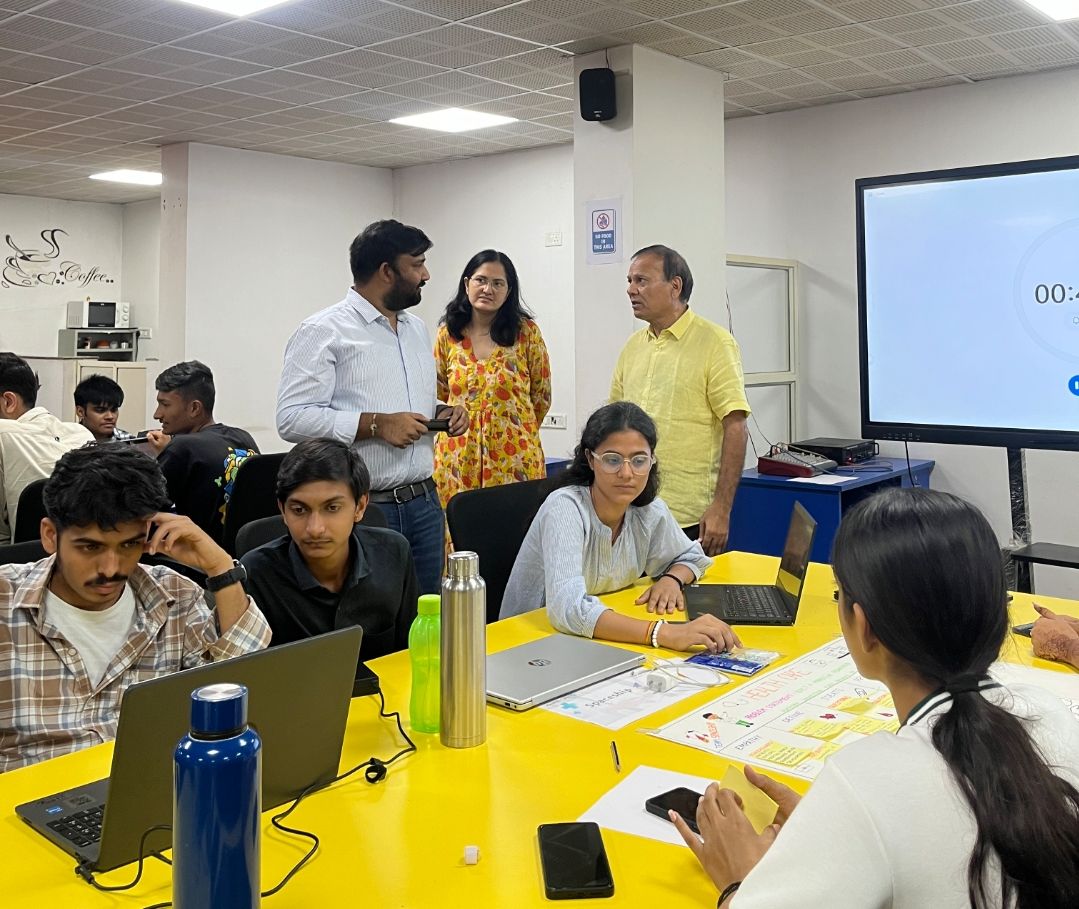
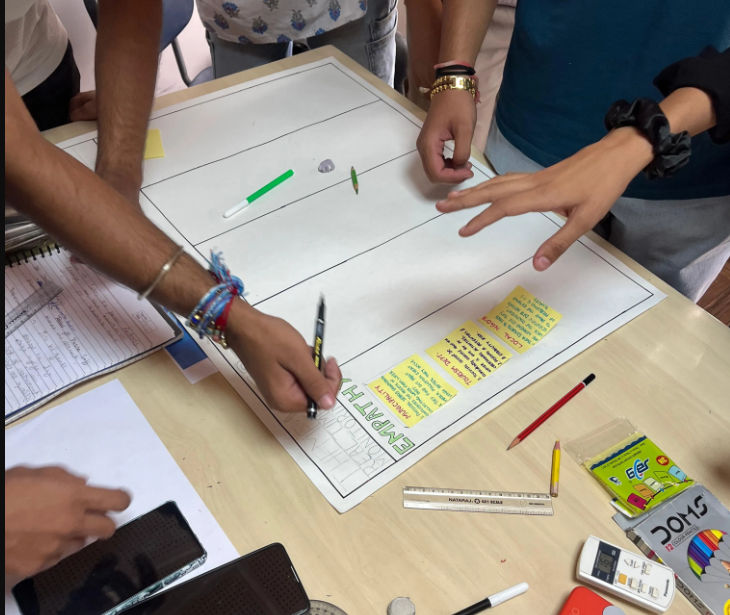
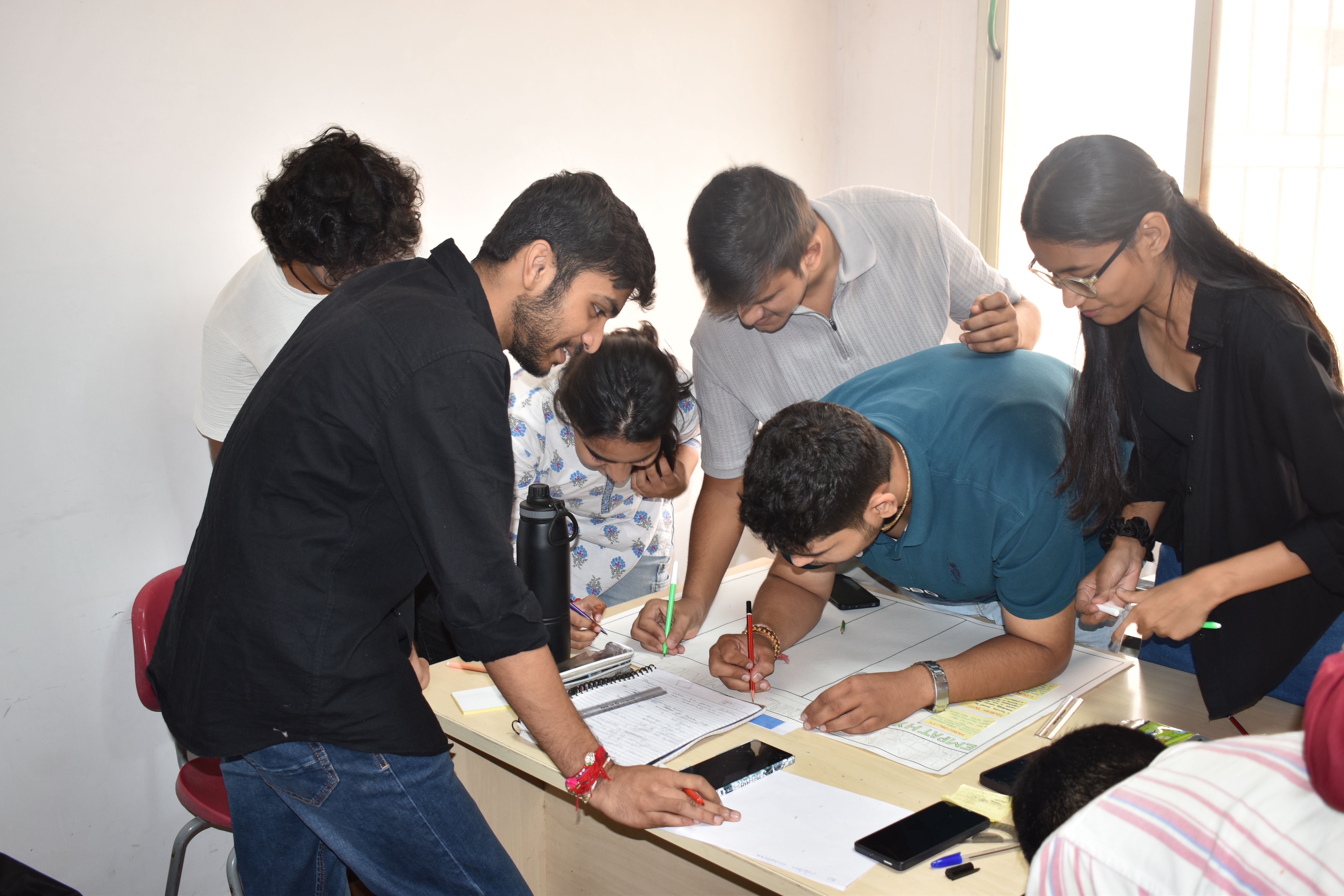
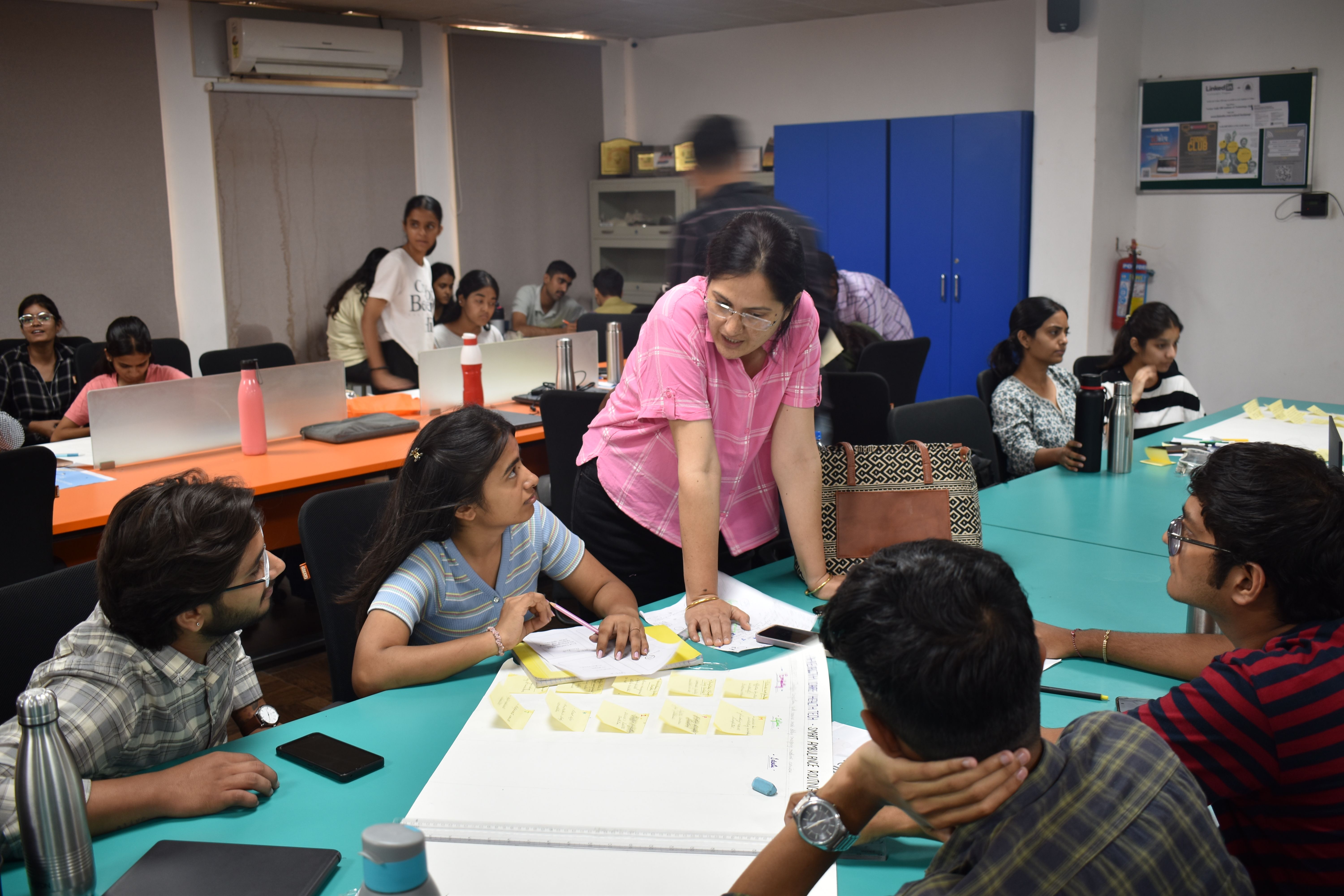
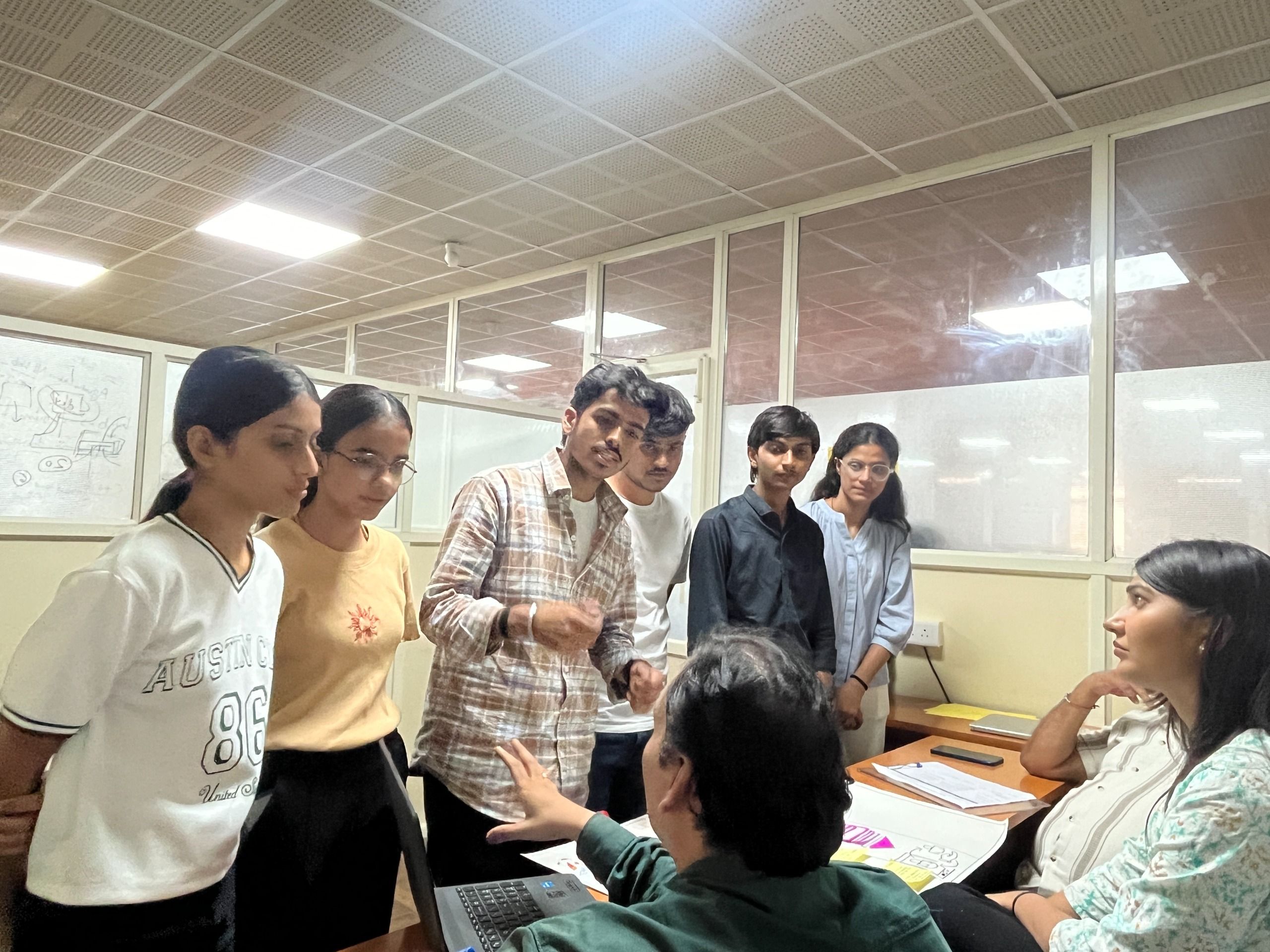
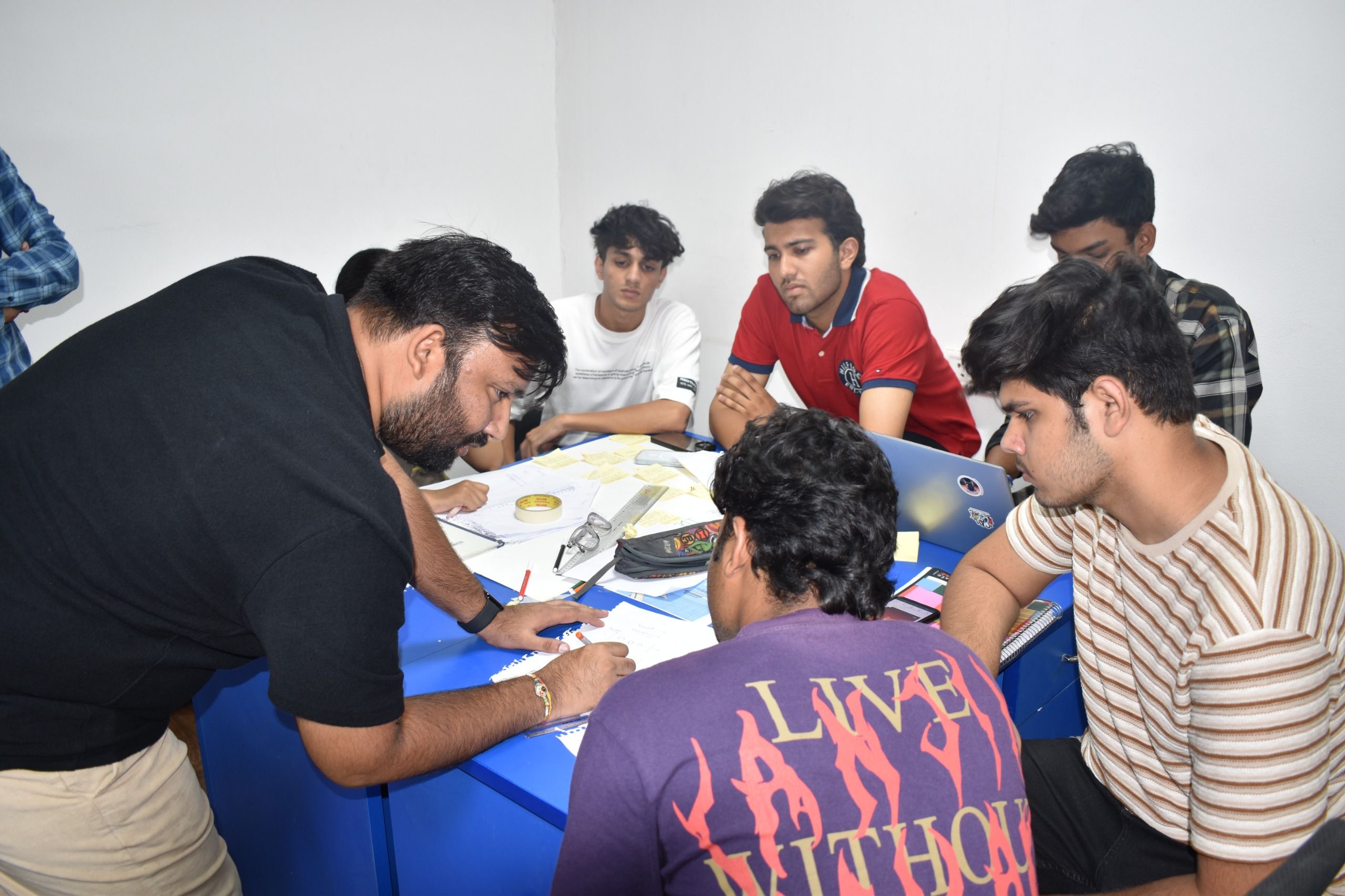
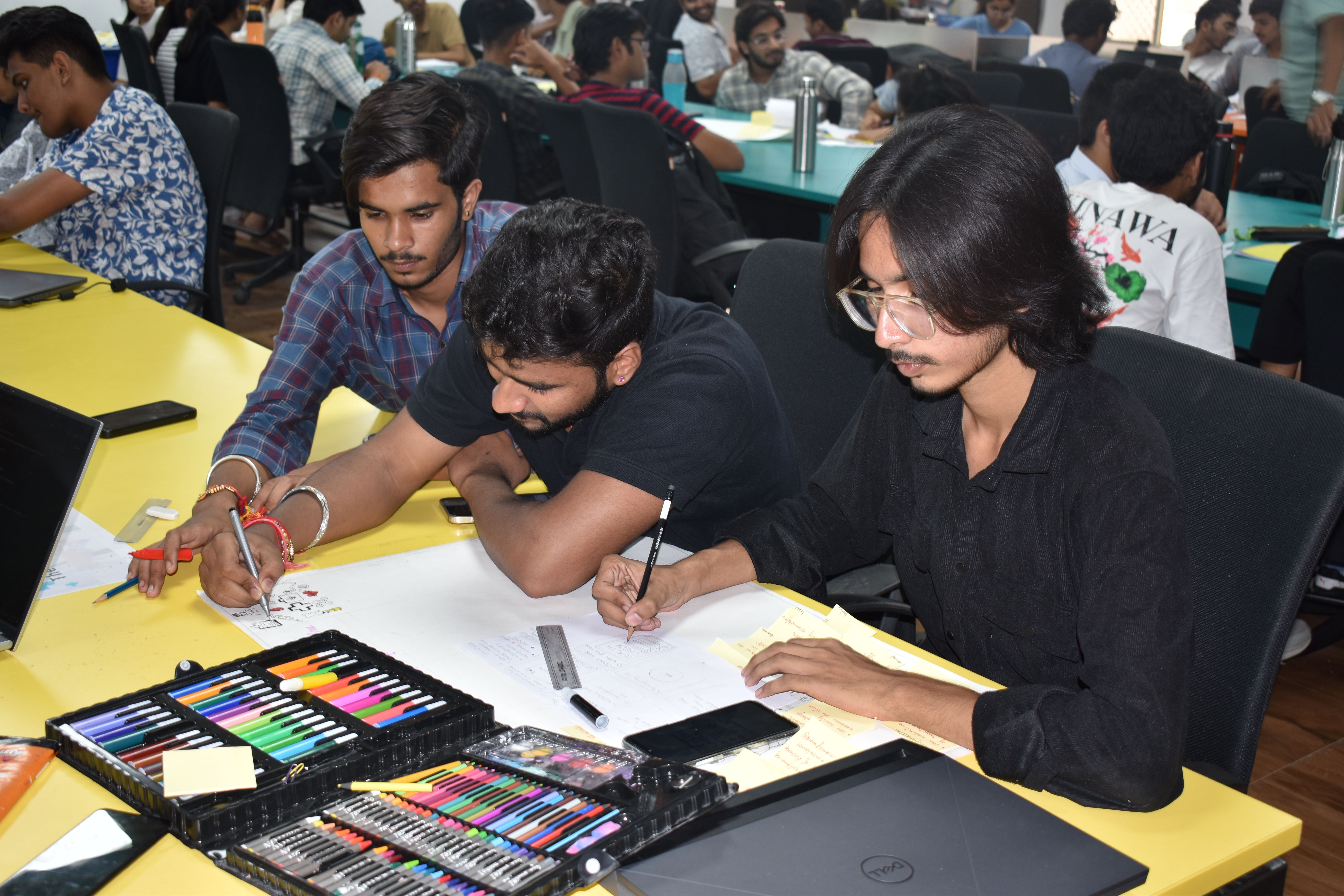
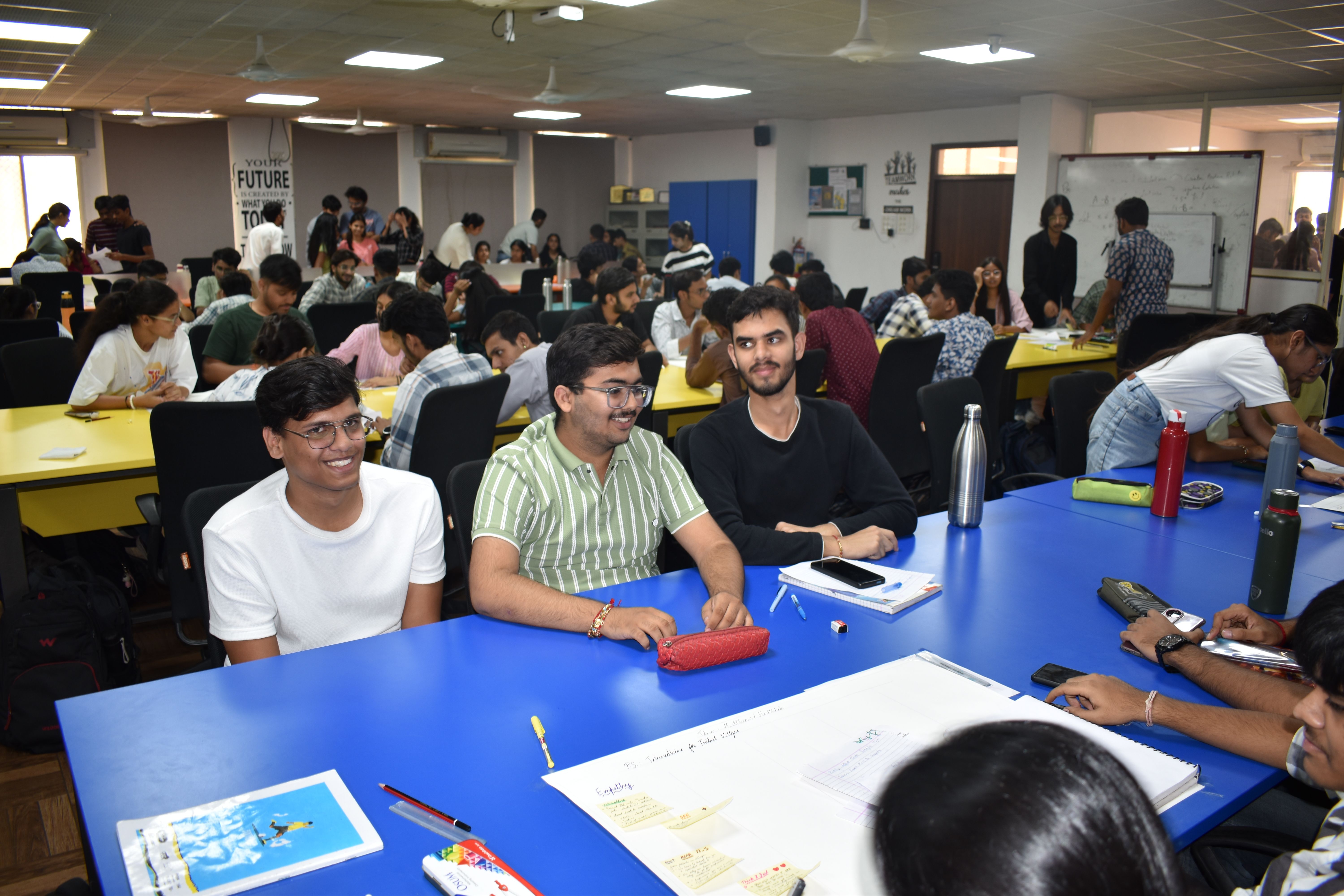
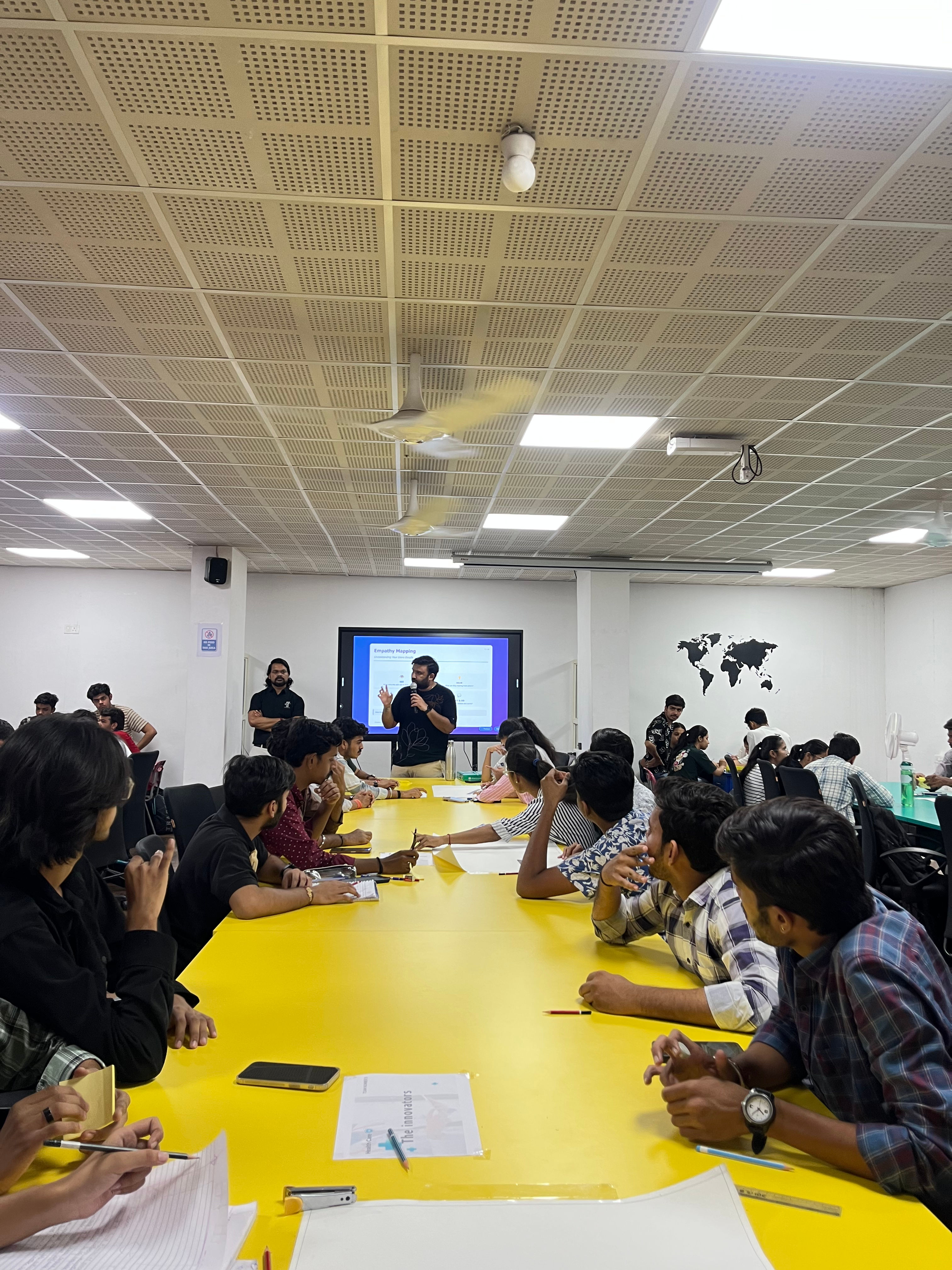
Design Thinking and Story Boarding Session with Figma
Design Thinking
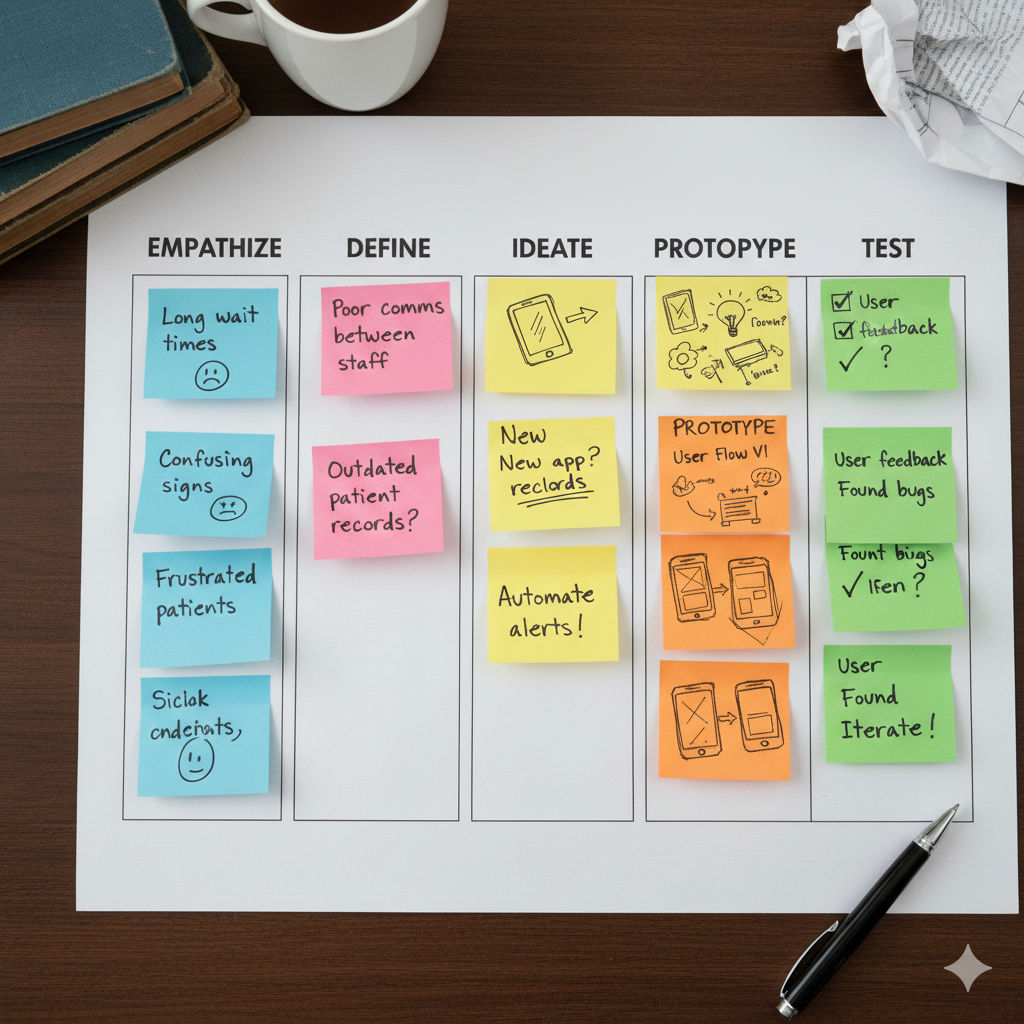
“Design Thinking” is a problem-solving approach that focuses on understanding users, redefining problems, and creating innovative solutions through creativity and experimentation. It is widely used in product design, business strategy, education, and technology innovation.
Stages of Design Thinking
Empathize: Understand the users and their needs through observation, interviews, and research.
Define: Clearly frame the problem based on insights gathered.
Ideate: Brainstorm and generate as many creative ideas as possible.
Prototype: Create simple, low-cost models to test ideas quickly.
Test: Gather feedback from users and refine solutions.
Story Boarding
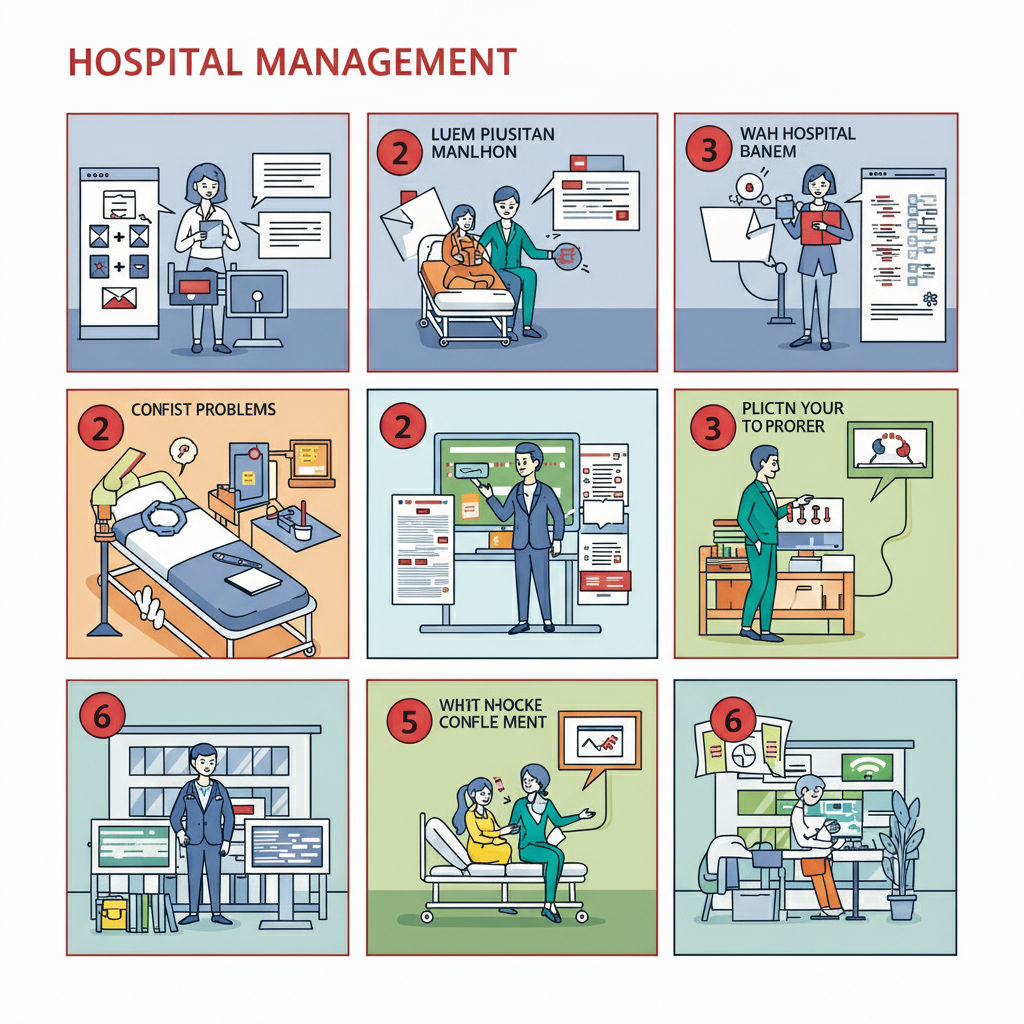
Storyboarding is a visual planning technique used to outline the flow of a story, process, or user experience through a sequence of sketches, images, or panels. It is commonly used in films, animations, app/website design, and product development to map out how a user will interact with something step by step.
Benefits of Storyboarding
Visualization: Converts abstract ideas into a clear, visual sequence.
Step-by-step flow: Shows how the user moves through the process.
Collaboration tool: Helps teams communicate and align on the idea.
Low-cost + Flexible: Simple sketches that can be changed easily.
Figma
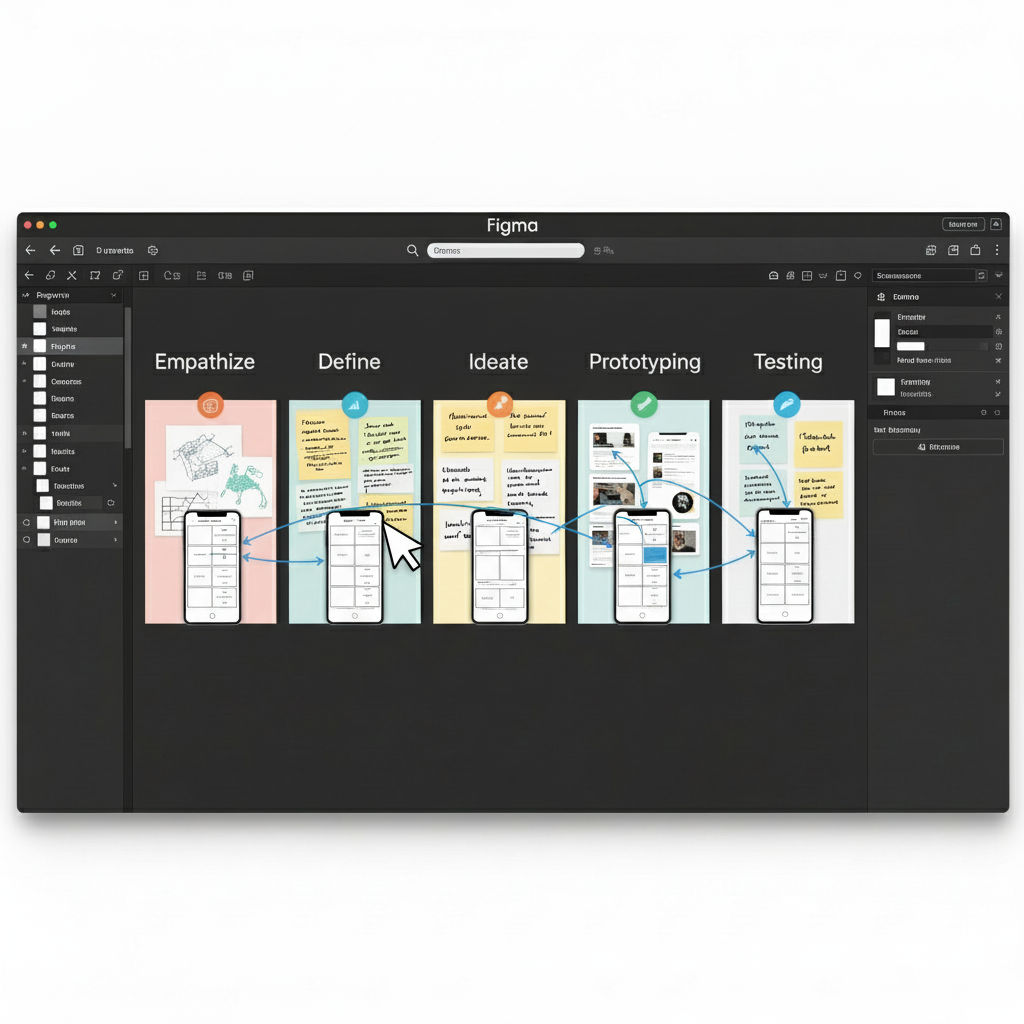
Figma is a cloud-based design and collaboration tool mainly used for UI/UX design, prototyping, and graphic design. It allows multiple people to work on the same design in real time—just like Google Docs, but for design.
Key Features
Real-time collaboration: Designers, developers, and stakeholders can edit and comment together.
Cross-platform: Works on the browser, desktop apps, and even mobile.
Prototyping: Lets you link screens together to create interactive app/website flows.
Version control: Keeps track of changes automatically.
Plugins & Widgets: Extend functionality (icons, stock photos, charts, etc.).
Our Event Gallery